“Old Money”

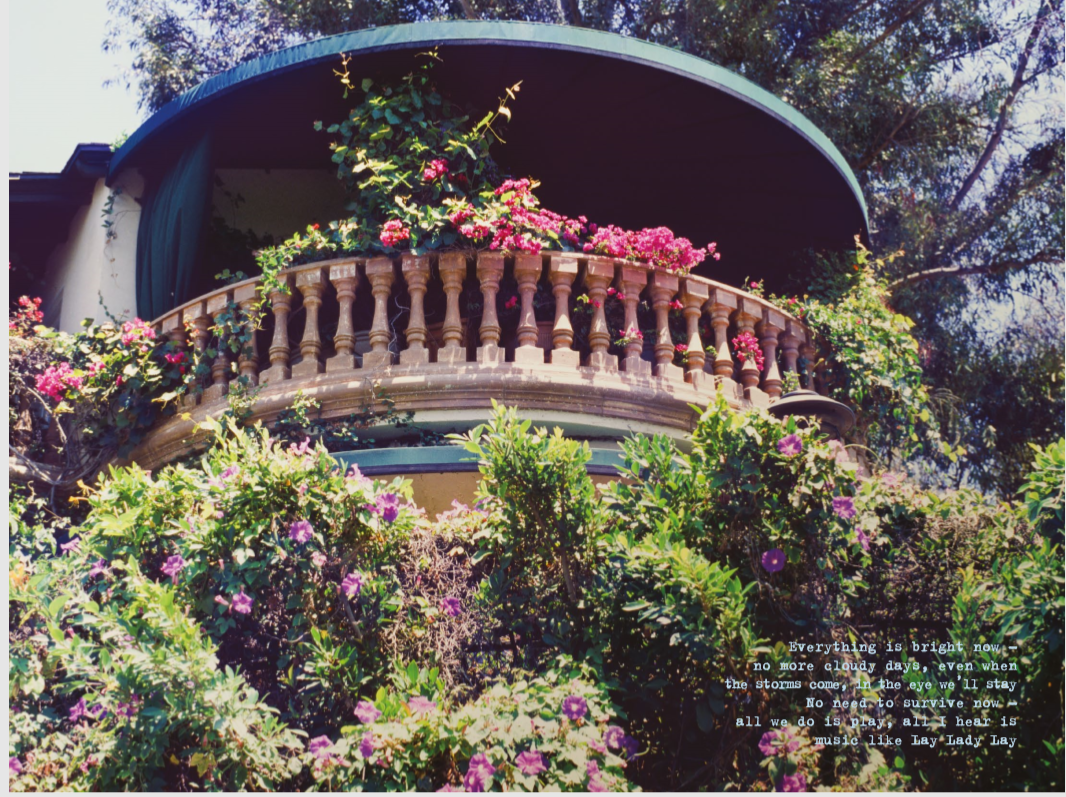
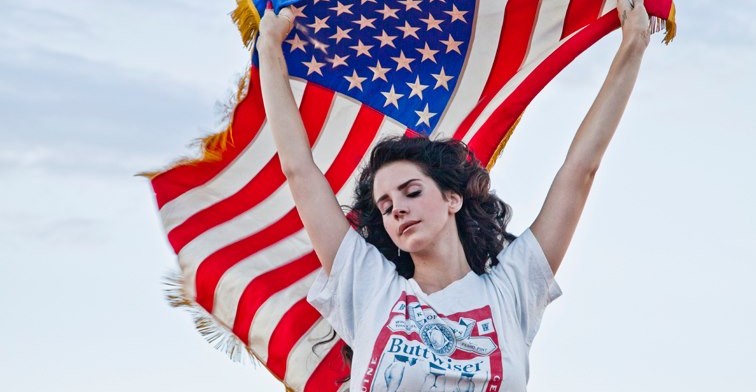
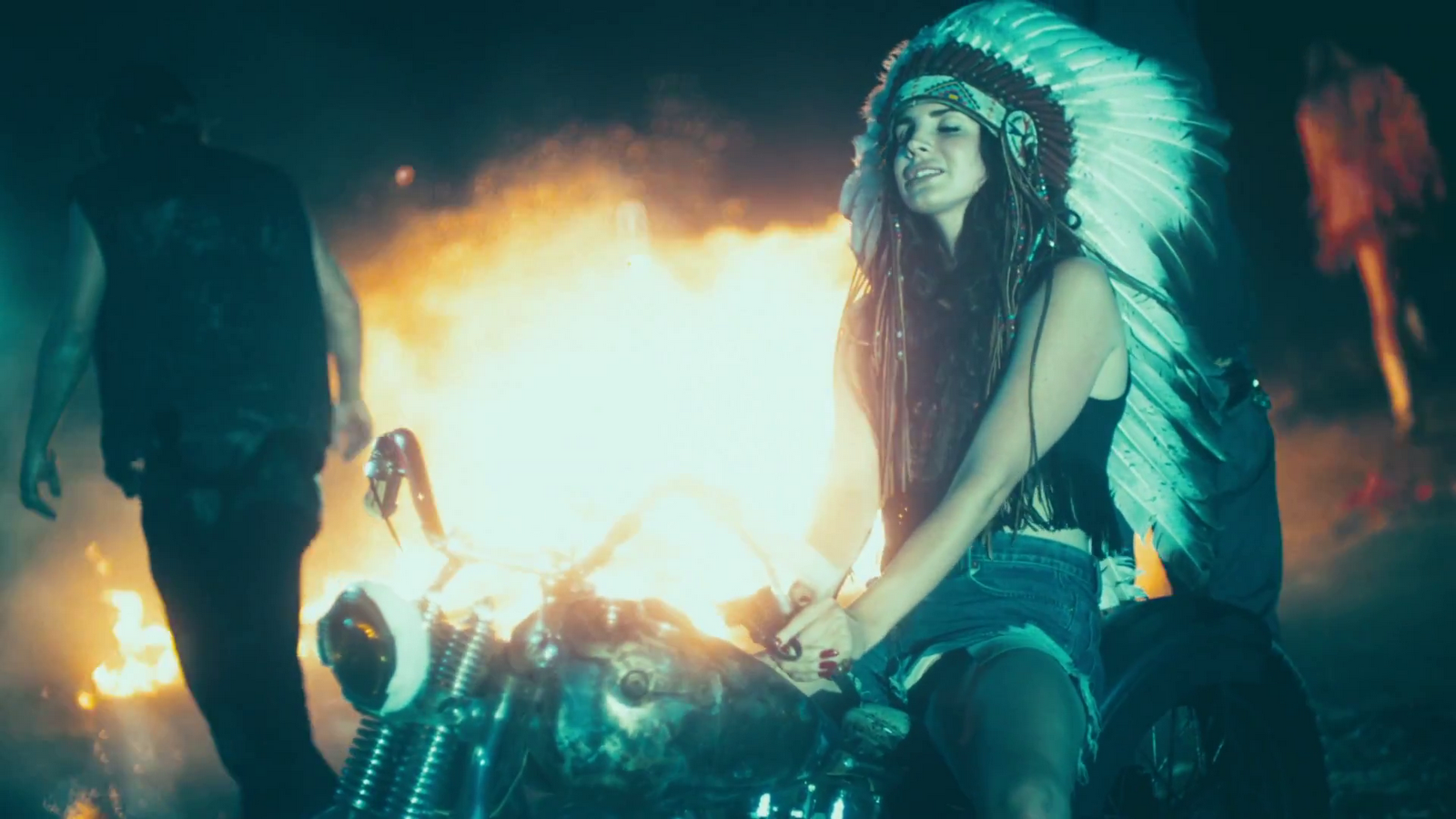
From Lana’s third studio album, Ultraviolence, comes “Old Money.” I chose this song as it is a representation of everything the average American desired during the late 40’s and 50’s. “Blue hydrangea, cold cash divine. Cashmere, cologne and white sunshine. Red racing cars, sunset and vine.” This line describes luxury, a facet of the American Dream. Also, “blue” hydrangea, “white” sunshine, and “red” racing cars are described with traditional patriotic colors. I imagine that line playing lightly in the background as Willy and Linda are getting settled in bed in the last scene of Act 1. The following line would be played with Willy asleep as Linda begins to hum. Her humming would be to the tune of these lyrics, while the actual song plays.  “The kids were young and pretty. Where have you been? Where did you go?” Lana focuses on children and youth often in her work, as they often represent a period of security and of sweet memories. This line ties in with Biff and Happy, as they are the “kids” in this case, as both are products of their parents that developed differently. When Lana asks where he went in “Old Money”, while it plays during Linda’s humming, it can be interpreted as Linda’s thoughts on his last trip, and perhaps even where “Willy” as a person has gone. It can also be interpreted as Linda thinking about the direction that her marriage has headed towards. The song would conclude with Linda going to sleep and into the blackout for intermission.

Image result for lana old money

“West Coast”

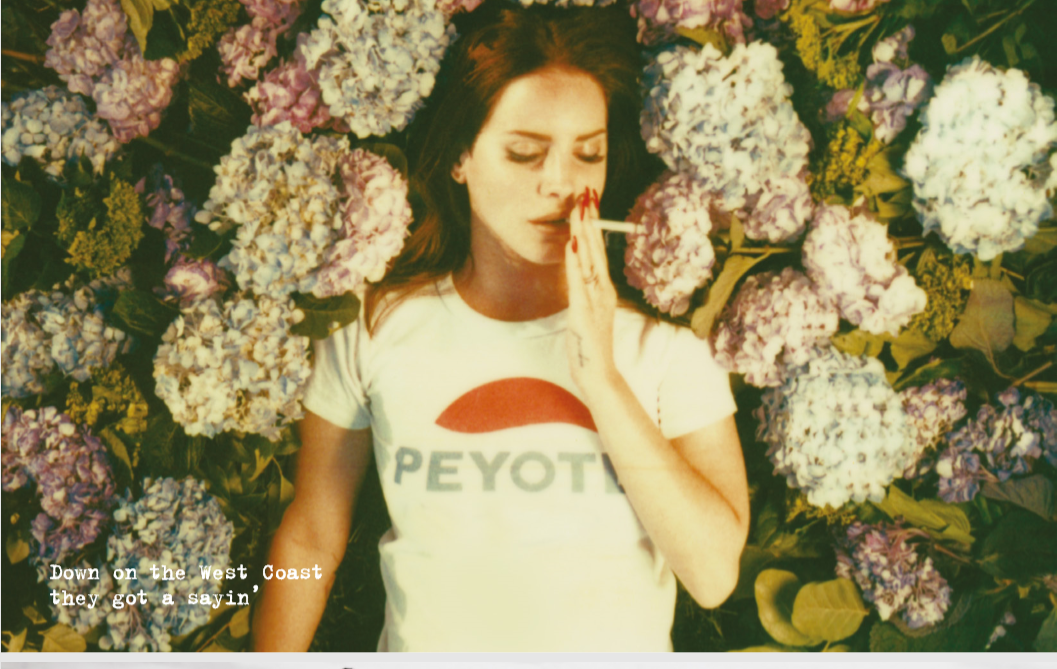
A change from her usual work, “West Coast” from Lana’s third studio album, Ultraviolence, includes a guitar and drums. Her voice is raspy and low, then, it is high and clear in her description of the West Coast of the United States. I would place this song during Willy’s flashback with his older brother Ben. As Ben describes his experiences in Alaska, Africa, and the Jungle, the following verse would begin to play as an interpretation of Willy’s failure to take risks “Down on the West Coast, they love their movies; Their golden gods and rock and roll groupies. And you’ve got the music, you’ve got the music, In you, don’t you?” In this case, the “West Coast” is the song’s version of Africa or Alaska. To Willy, these places represent a faraway place where men can make their fortune quickly, though that isn’t always the case. The “golden gods and rock and roll groupies” are symbols of wealth and status on the West Coast, just as gold, oil, and other resources are in those lands. The “music” is Willy’s inner desires to take risks that he keeps suppressing, thus, the last part of that line would get gradually quieter, but repeat, until Ben leaves the scene and Willy transitions back to reality. The song also references Hollywood, which can be compared to “the jungle” as both are places riddled with uncertainty that can lead to someone getting rich or getting absolutely nothing at all.

“The Other Woman”

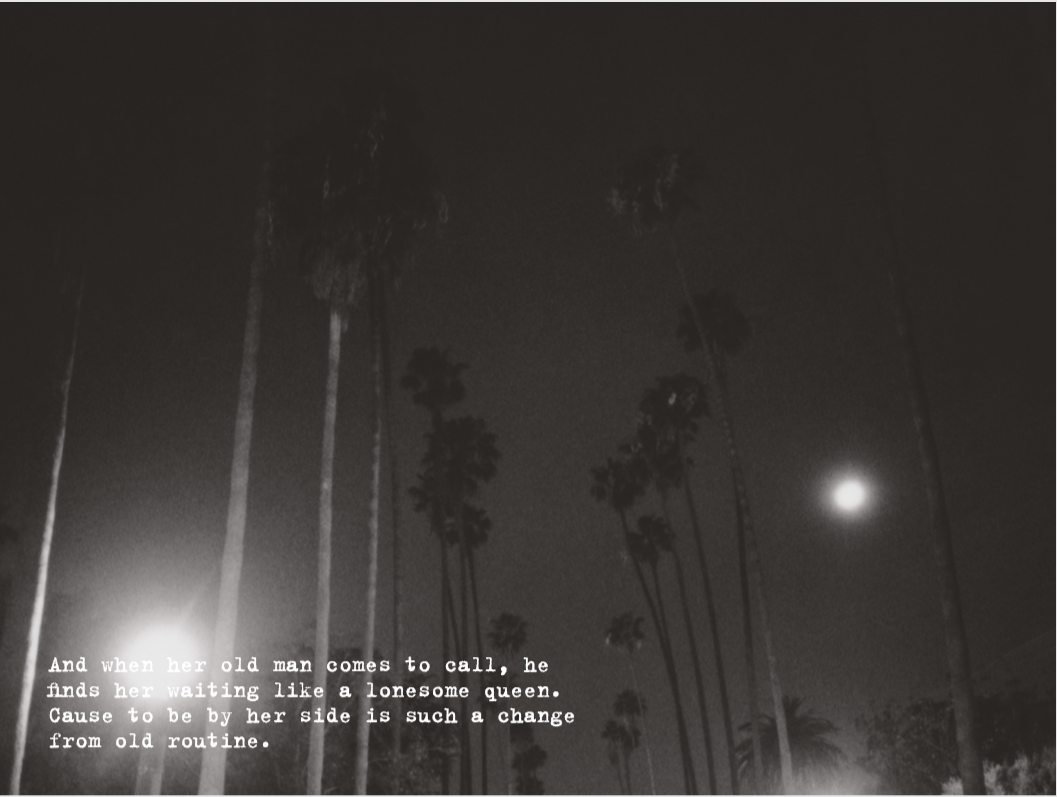
Easily one of my favorite songs out her entire career, “The Other Woman” from Lana’s third album, Ultraviolence, is a beautifully told tale of a mistress and the woman who has been put aside for her. Lana tells the story by describing what the woman does to please her man, and in the end, this woman is miserable.  This song most obviously would play with the first introduction of the woman during one of the first flashback sequences of Act 1. As she is heard laughing, the line “The other woman” will play as soon as she enters the scene, but the instrumental will start quietly in the background, and become louder until she has finished her arrival for the scene. The following line, “And when her old man comes to call, he finds her waiting like a lonesome queen.” would play as Willy walks towards her, and time would slow slightly, with the woman awaiting him. This song would also show the natural competition between The Wife and The Other Woman, as both are competing for the man’s affection and attention. Though Linda never learns of The Woman’s existence, the song will show the growing dichotomy between Willy’s life home and his life away. It will also set up the scene in Act 2 when Biff walks in on them, as the “lonesome queen” line can tie into her waiting in the bathroom. Later in Act 2, a snippet from this song will be used in when Willy’s car can be heard starting up. As pieces from other songs overlap, one of these pieces will be from “The Other Woman”. “And as the years go by, the other woman, Will spend her life alone.” will be played during this scene to signify the fact that The Woman will never see Willy again because he is dead, and she won’t know why he hasn’t returned.

“Terrence Loves You”

“Terrence Loves You” is one of the more peculiar songs on Lana’s fourth album, Honeymoon. Far more melancholy than anything else on the album, this song was also chosen to represent Linda, but in a more loving tone.  The song itself focuses on loving someone so much that you forget about their imperfections, regardless if it is healthy or not to even do so. On the other hand, it shows that true love requires one to giving a helping hand if one half of the relationship begins to fall.  “Terrence Loves You” also plays with the difference between bravery and a lack of care for yourself. The following would play, line by line, during Biff’s conversation with Willy over his potential visit to Bill Oliver. “But you are who you are. I won’t change you for anything. For when you are crazy, I’ll let you be bad. I’ll never dare change thee, To what you are not.” on occasion throughout this conversation, the song will play during pauses as Linda watches through the door frame, and as Linda continues to pick up after her husband. When Linda eventually becomes more involved in the conversation towards the end, one final line will play as she exits; “But I lost myself when I lost you.” This song was one of the more interesting choices, as the instrumental is light enough to even be played throughout the entire conversation, with lyrics coming in eventually. I also would have song of the strings play as the conversation begins between father and son.

“Religion”

Yet another masterpiece from Lana’s 4th album, Honeymoon, “Religion” shows the darker, more obsessive aspects of love and relationships. I chose this song as a depiction of Linda’s devotion to Willy  throughout the play. “Religion” is the exact opposite of monotonous. Lana’s voice carries her message clearly and beautifully, rising and lowering to convey a sense of devotion and love, however corrupted it has become. “’Cause you’re my religion. You’re how I’m living. When all my friends say I should take some space. Well I can’t envision, that for a minute” though Biff and Happy are her children (though Happy does call his mother his buddy for some reason later in the play,) they connect to the “friends” mentioned in the song by being the voices of reason that are telling Linda to reevaluate her marriage. Though there is no specific scene to apply this to, this song can be played as the spotlight focuses upon Linda alone in another room tending to Willy’s belongings and tidying up while the boys begin to head downstairs. The song would also be played slightly over WIlly’s rantings in the kitchen, as a reminder of Linda’s faithfulness to her husband. The song also is a musical presentation of a major theme of Linda’s overall character: sacrifice. She sacrifices her own happiness to keep her family as well as her marriage together, but she herself is miserable. Linda has devoted her entire life to serving Willy at this point, and thus, Willy has become her religion.

“American”

I chose this song to be Happy’s theme during the conversation in the bedroom in Act 1. The title of the song was also perfect for the book overall, as Death of a Salesman focuses upon the American Dream. “American” from Lana’s second album, Paradise, has both positive and negative undertones to it. “You make me crazy, you make me wild, Just like a baby, spin me ’round like a child. Your skin so golden brown. Be young, be dope be proud; Like an American.” Lana talks about how happy the man she is in love with makes her, just as Willy is pleased with how Happy has turned out compared to Biff. However, the song insinuates that the average American youth is proud, but stupid and careless at the same time. As Happy is blindly following his father’s footsteps, he fits the “Like an American” phrase oh so well, much like his father did. I imagine the song playing during a different, later pause in the conversation, but before the second piece of “Change” plays for Biff. This would not be a representation of his thoughts like how “Change” was for Biff, but a description of Happy as a person while he is occupied playing with objects around his room until the conversation picks back up. Happy’s pride also ties into the song as he plans to become an executive at his job, but he also sleeps with other men’s fiancés and takes bribes to rise up the corporate ladder. He also doesn’t really regret most of it, and acts like it’s just part of who he is. His arc fits into the American Dream concept as an example of the worse and more unrestricted form of the dream.

“Change”

As one scene transitions into another, so do the characters within “Death Of a Salesman.” As we shift from Willy and Linda, we move to Happy and Biff. I chose “Change” from Lana’s fifth album, Lust for Life, as it captures the essence of Biff’s character just enough to hint towards his eventual growth. “Change” is one of Lana’s most positive songs, emphasizing the power of the individual. During the conversation between the two men, the following line would play as a representative of Biff’s internal thoughts during a pause in dialogue. “Lately I’ve been thinking it’s just someone else’s job to care. Who am I to sympathize when no one gave a damn?” Biff has never felt truly content with what he’s done in his life, and the song reflects his emotions felt during the conversation. Later in the conversation, before they go down to the kitchen to figure out why their father is rambling, the line “Change is a powerful thing, people are powerful beings.” will be played. The line fits the character arc of Biff, and sets up the division that will grow between the family members as the play progresses. Overall, the song also represents Biff’s disappointment in both himself and how his father raised, as well as his desire to become something other than his father’s or brother’s shadow. The title itself, “Change”, is also relatively symbolic of Biff’s entire life. As he can never truly hold anything down, his life is turbulent, and he has become accustomed to many external forms of change, but he has never been able to truly change himself from the inside.

“Mariners Apartment Complex”

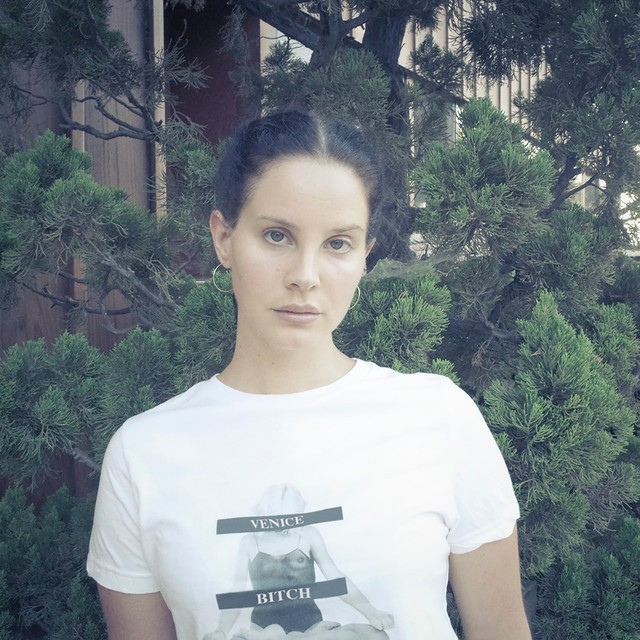
I chose this song as another way of emphasizing Linda’s devotion to Willy. As a single released before her upcoming 6th album, Norman Fucking Rockwell, it is reminiscent of some of her previous work in Honeymoon and Ultraviolence. However, it is more positive in tone, thus, it suits Linda’s attempt at normalcy. The beach has always been a lyrical leitmotiv within Lana’s music, always symbolizing freedom and escape from the world. This theme is found in “High by the Beach”, “13 Beaches”, and “Get Free”, and is continued into “Mariners Apartment Complex.” “And who I’ve been is with you on these beaches. Your Venice bitch, your die-hard, your weakness. Maybe I could save you from your sins, So, kiss the sky and whisper to Jesus. My, my, my, you found this, you need this. Take a deep breath, baby, let me in.” I envision the verse playing before she exits the scene, so I’d have Linda fixing up the kitchen, putting items away, cleaning up, etc., as it plays. She’ll occasionally pause and think, which will relate to the “So, kiss the sky and whisper to Jesus” line. “Your Venice bitch,” not only refers to her other single from the 6th album that is titled “Venice Bitch”, but it also represents the ideal woman that Lana is always aspiring to be. This parallels nicely with Linda, as she is an idealist who believes that everything will be fine through submission to her husband.  She also believes that by catering to and playing into his delusions, that it will help him, as well as herself, in the long run. After Linda leaves, Willy will reenter the kitchen and begin babbling downstairs as the instrumental ends.

“Video Games”

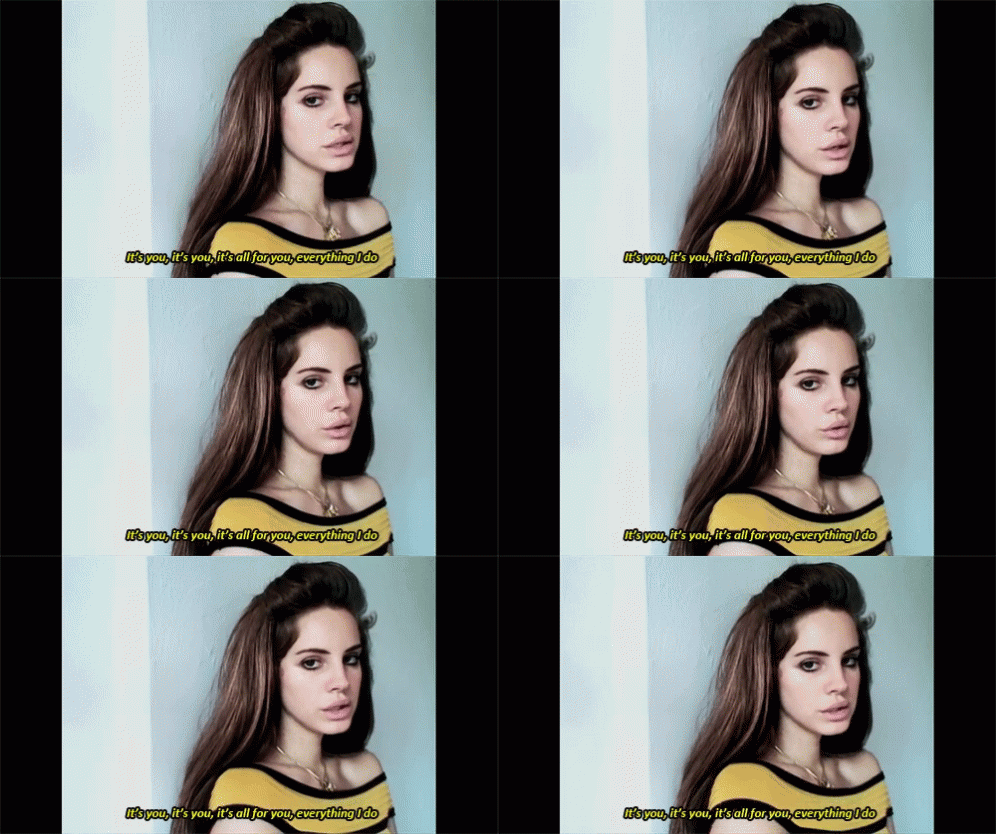
I chose this song to show the divide between Linda and Willy during their conversation in the first scene of Act 1. As the most gleeful song from Lana’s first debut album, Born to Die, it shows Lana’s more loving and beautiful side in one her most moving albums. “It’s you, it’s you, it’s all for you, Everything I do. I tell you all the time, Heaven is a place on earth with you. Tell me all the things you want to do.” These lyrics in particular to demonstrate Linda’s blind devotion to her husband, regardless of the cost. This song would play lightly in the background after Willy walks off and Linda is alone in the kitchen. However, as the title suggests, in both the song and in the play, the man the woman is in love with isn’t really that interested in them, but menial things, like video games. With her willingness to bend to his whim, she’ll do “all the things you want to do” because she wants to preserve her marriage and family. A brief change in song would occur, switching to “Mariners Apartment Complex” and then back to “Video Games.” As the scene ends and Linda begins to walk out, she’ll pause and look back as the following line plays: “Only worth living if somebody is loving you.” This will be used to foreshadow Willy’s death, and Linda’s eventual breakdown in Act 2. The expectation that they’ll be happy if they can just pull through and keep their marriage together is unrealistic, which is also a theme in the song.

“Ride”

I chose this song because the title simply just fits the being scene so well. As the opening track for Lana’s second album, Paradise, it sets the tone for the rest of the album, and overall, it happens to be one of her best works. The instrumental portion of the song is carried by violins, and songs almost angelic when paired with her voice. It’s somber, yet colorful in expression. I imagine it playing the following during Willy and Linda´s conversation in the first scene: “I hear the birds on the summer breeze, I drive fast. I am alone in the night. Been tryin’ hard not to get into trouble, but I-I’ve got a war in my mind. So, I just ride. Just ride, I just ride, I just ride” It would play during the conversation as Linda takes off his shoes, his coat, etc.  It would be representative of Willy´s underlying desire: he wants to be free from his own life, but can´t decide on how exactly to do that, so, he drives for hours at a time to distract himself. The birds in the song would show how even when he is driving, he isn’t actually thinking about what he’s even doing. “I am alone in the night.” also represents the connection to his family; it’s strained. It also could foreshadow his eventual encounters with The Woman later in the play. He would be distracted from reality, and Linda would start talking to him, and he wouldn’t hear her as the song plays lightly in the background. WIlly is an idealist, and the song would perfectly convey his obsession with his need to leave, believing that it will fix him.